


Stefen Project For PlotlyDash Analytics
Flask-to-Django migration with authentication, admin panel, and initial PRD.
We help founders, CTOs, and product teams ship Flask APIs and microservices with exactly the architecture they need. No batteries, no opinions, just clean code built to your spec.

Flask powers production at







Flask gives you the essentials and stays out of your way. For teams that know exactly what they're building, that's exactly what they need.
71k
GitHub stars
One of the most-starred Python projects on GitHub
40M+
mo PyPI downloads
One of Python's most downloaded web frameworks
Zero opinions
on ORM, auth, or architecture
Bring your own stack. Flask won't fight you on it.
2010
· 16 yrs, actively maintained
Pallets project. Battle-tested, not going anywhere.
Flask works best when the architecture matches the product constraints.
Here is when we recommend Flask, and when we recommend a different path.
You're building a custom API where a full-stack framework would add more constraint than help
You have a specific architecture in mind and don't want a framework overriding your decisions
You're building a lightweight microservice that needs minimal overhead and a small deployment footprint
You need to integrate legacy systems or unusual data sources with a purpose-built adapter layer
Your team has strong Python experience and wants full control over every architectural decision
You need a built-in admin panel, ORM, and auth out of the box. Django gives you all of that.
Async performance is your top priority. FastAPI was built for exactly this.
Your team writes JavaScript exclusively. Node.js with Express keeps everyone in one language.
We will recommend the simpler path when it is the better fit.
Production outcomes we focus on during Flask engagements.
We'll be locked into choices we'll regret later
Flask doesn't bundle an ORM, auth system, or admin panel, so we pick the best tool for your specific situation. No fighting the framework. No workarounds. Django teams sometimes spend months working around its conventions. Flask gives us that freedom from day one.
Our API is growing complex and hard to maintain
Flask Blueprints let us organize your API into self-contained modules, each with its own routes, models, tests, and error handlers. As your product grows, we add new Blueprints without touching existing ones. This pattern keeps large Flask codebases manageable for years.
We need to integrate with unusual or legacy systems
Flask's minimal core means zero friction when connecting to unusual databases, message queues, IoT platforms, or legacy SOAP services. No abstraction layers fighting your integration logic. Python's ecosystem has client libraries for nearly everything, and Flask stays out of the way while you wire them together.
We need a fast, lightweight service, not a heavyweight framework
A Flask microservice can start in under 50ms and run in a 100MB Docker container. No admin to bootstrap, no ORM migrations to run, no configuration to untangle. For internal tools, data pipelines, and lightweight APIs, Flask's simplicity is a production advantage.
A practical comparison based on product fit, delivery speed, and long-term ownership.
Best for
Flask
Custom APIs, microservices, unusual architectures
Django
Full-stack web apps, CMS, SaaS with admin panel
FastAPI
High-performance async APIs, AI backends
Express.js
JavaScript teams, real-time, Node.js ecosystem
Flexibility
Flask
Maximum, zero constraints
Django
Opinionated, convention-heavy
FastAPI
High, minimal opinions
Express.js
High, minimal core
Bundle size / overhead
Flask
Minimal, micro core
Django
Heavy, full stack bundled
FastAPI
Minimal
Express.js
Minimal
Performance (sync)
Flask
Good, WSGI/ASGI support
Django
Good
FastAPI
Best, async-first
Express.js
Good, event loop
Admin panel built-in
Flask
No, by design
Django
Yes, powerful and free
FastAPI
No
Express.js
No
Auto API docs
Flask
Extension required
Django
DRF only
FastAPI
Built-in OpenAPI
Express.js
Manual
Plugin ecosystem
Flask
Huge, 15 years of extensions
Django
Very large
FastAPI
Growing, newer ecosystem
Express.js
Very large, npm
AI / ML integration
Flask
Good, Python ecosystem
Django
Good
FastAPI
Excellent, native async
Express.js
Language bridge needed
Representative project patterns and outcomes.
Flask-to-Django migration with authentication, admin panel, and initial PRD.
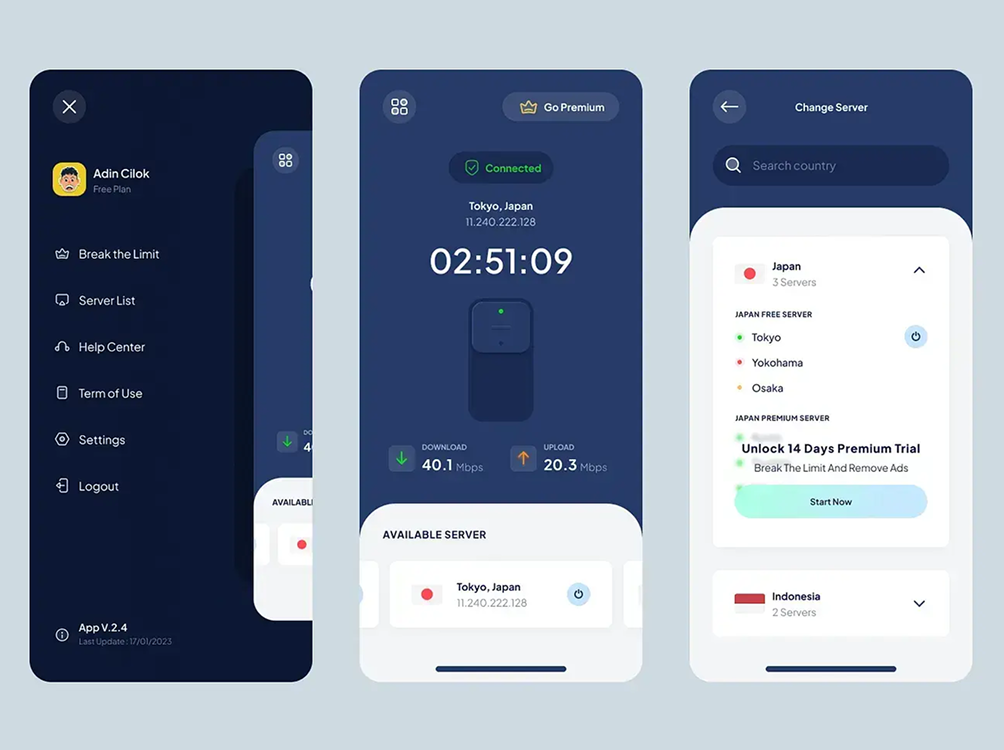
Faster, affordable and stable proxies.
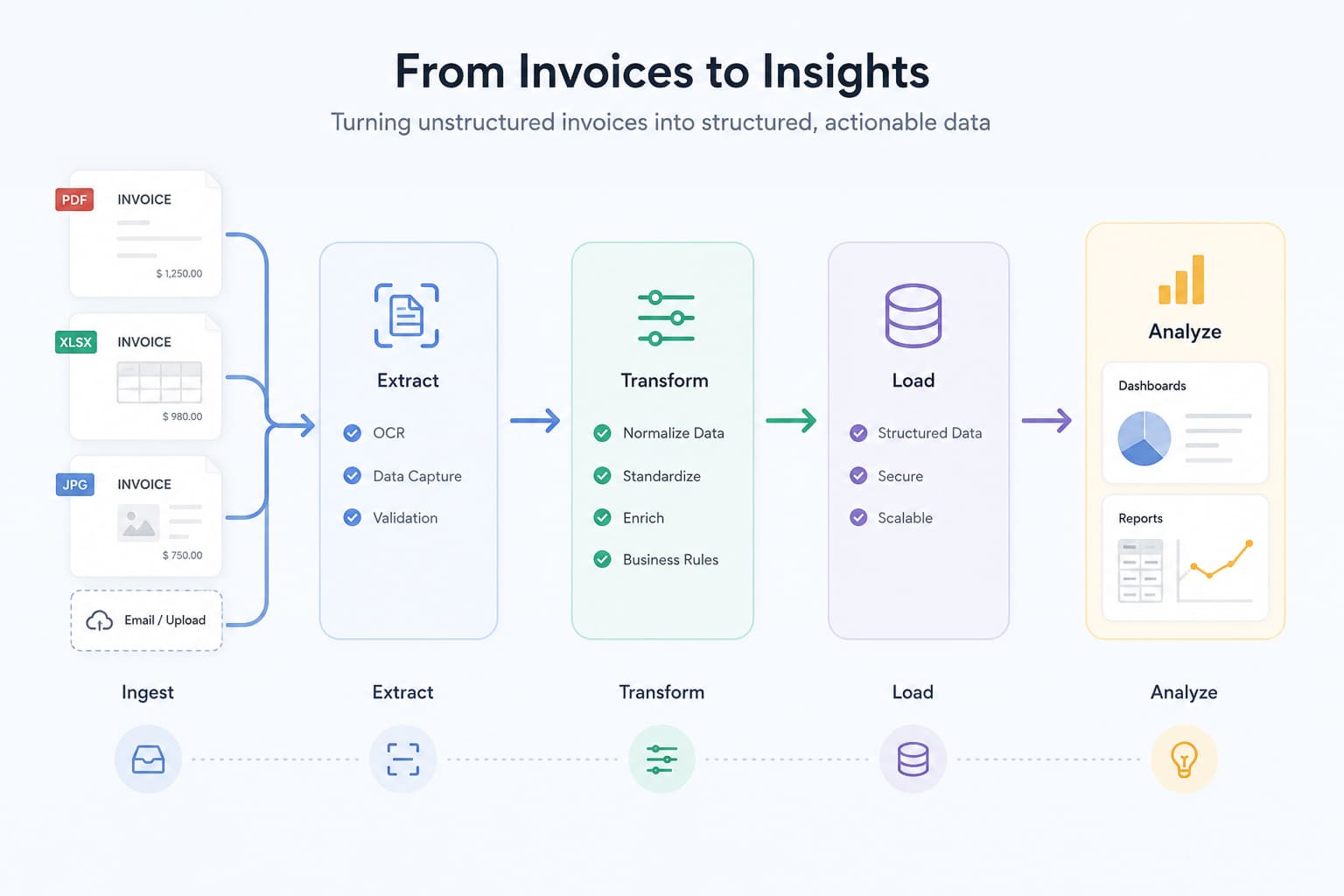
Invoice ETL pipeline built as a streamlined alternative to Doctrails.
Tell us where you are. We'll tell you what to build.
I need a custom API that a full framework would over-engineer
Flask REST API
Purpose-built with exactly the routes, middleware, and logic your product needs. No unused abstractions. Blueprint architecture for clean separation of concerns from day one.
My Flask app is getting messy and hard to scale
Flask refactor and architecture
We audit, restructure, and refactor. Application Factory pattern. Blueprint separation. SQLAlchemy relationship cleanup. Test coverage from zero to 80%+. Clean codebase, your team can move again.
I need to decompose my monolith into smaller services
Flask microservices
Lightweight Flask services that do one thing well. Small Docker images, fast cold starts, and clean service boundaries. We extract and isolate your highest-pain subsystems first.
I need to integrate a legacy or unusual external system
Flask integration layer
Custom Flask adapter services for legacy databases, SOAP endpoints, message queues, and hardware APIs. No framework conventions fighting your integration logic. Just clean Python code that connects what needs connecting.
I need a fast internal tool or data pipeline
Flask internal tool
Operations dashboards, reporting APIs, batch processing triggers, and admin tools built light and fast. Flask's minimal overhead makes it a fit for internal productivity tools that don't need full CMS weight.
I need a long-term Flask team, not a one-off fix
Dedicated Flask team
Embedded engineers, 2-week sprints, weekly demos. All code in your repo, all infra on your cloud. No lock-in. Cancel any time. The codebase is yours from commit one.
Tools we use on Flask engagements.

Python

SQLAlchemy

Marshmallow

PostgreSQL
Redis

Celery
Docker

pytest
Flask builds with production discipline
10+ Years
Of Experience
Three reasons clients choose reverseBits for their Flask projects.
01
No vendor lock-in. No proprietary wrappers. Your code, your stack, your cloud. Flask's minimal footprint means you're never dependent on framework-specific abstractions only we understand.
02
We work in 2-week sprints with live API demos every Friday. You test against real endpoints before we move to the next feature. If we're building the wrong thing, you know in two weeks, not at launch.
03
And when it isn't. We use Django for admin-heavy products, FastAPI for performance-critical APIs, and Flask for custom microservices and integration layers. You get the framework that fits, not the one we default to.
Common questions about Flask projects.
Yes. Flask has 71,000+ GitHub stars and over 40 million monthly PyPI downloads. It's actively maintained by the Pallets project, and companies like Netflix, Pinterest, and LinkedIn run Flask in production. FastAPI gets more attention for async workloads, but Flask remains the go-to choice for custom APIs, microservices, and any project where you want full architectural control.
Book a free 30-minute call. We'll scope your idea, recommend the right approach, and give you a ballpark estimate within 48 hours. No commitment required.