

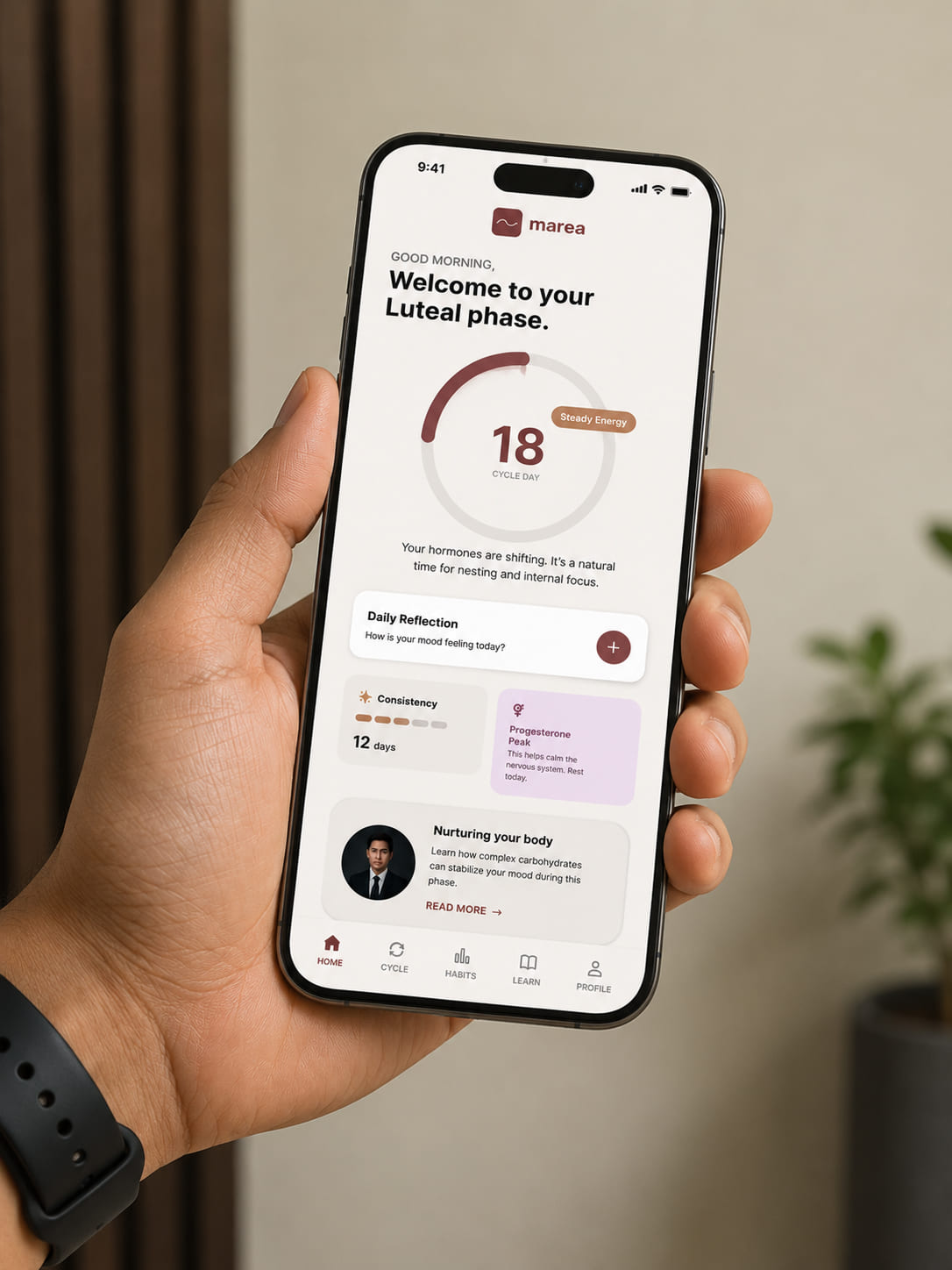
Marea
Privacy-first menstrual health app linking daily habits to cycle outcomes.
View ProjectWe ship production Flutter apps to iOS, Android, web, and desktop from a single Dart codebase. Native performance, smooth animations, and CI/CD wired up before your first beta.
Used by teams shipping Flutter at scale





Why teams consolidate their mobile strategy onto Flutter.
1M+
Apps in stores
Production Flutter apps shipped to App Store and Google Play.
2018
Released by Google
Stable since 1.0; Flutter 3 unified mobile, web, and desktop in one engine.
120fps
Native rendering
Compiles to ARM and renders with Impeller. Smooth on ProMotion devices.
1
Codebase
Ship iOS, Android, web, and desktop from the same Dart project.
Flutter is a strong fit when you need parity across iOS and Android without doubling engineering headcount. It is not the right call for every project. The boxes on the right cover when we recommend it, and when we point clients elsewhere.
If you need both stores live before the next funding milestone, Flutter is the fastest path with one team and one codebase.
Flutter renders its own widgets through Skia and Impeller, so buttons, type, and motion look the same on a Pixel and an iPhone. Useful when design parity matters more than platform conventions.
Two native codebases mean two release trains, two QA cycles, and two specialist hires. One Dart codebase compresses that overhead while keeping full App Store and Play release control.
We ship apps, not framework demos.
Flutter apps that hold a steady frame budget on mid-range Android and high-end iOS. We profile with DevTools, use const widgets where they matter, and avoid the patterns that cause jank in production.
Designs translated to widgets without the "framework can't do that" excuse. Custom painters, animation curves, and motion specs land the way the designer drew them.
Riverpod or BLoC, repository pattern, isolated business logic, and folder structures that still make sense at sprint 30. Picked per project, not as one-size-fits-all dogma.
Bluetooth, ARKit, MLKit, secure storage, in-app purchases. We write the platform channels and Swift or Kotlin glue when the package ecosystem stops short.
Fastlane, GitHub Actions, or Codemagic wired into your branch model. Tagged commits build, sign, and ship to TestFlight and Internal Testing without manual steps.
Widget tests, integration tests, and golden tests run in CI. Manual QA on a physical device matrix covering low-end Android, current iPhone, and ProMotion.
How Flutter compares to React Native, fully native, and a PWA.
iOS, Android, web, desktop
Mostly iOS and Android
None, two codebases
Browser only
Native ARM via Skia or Impeller
New Architecture or JS bridge
Native baseline
Limited by browser
Same on every device
Inherits OS components
Designed twice
Browser dependent
Hot reload, single team
Fast Refresh
Slow compile cycles
Fast
Full via platform channels
Most APIs covered
Direct platform APIs
Limited
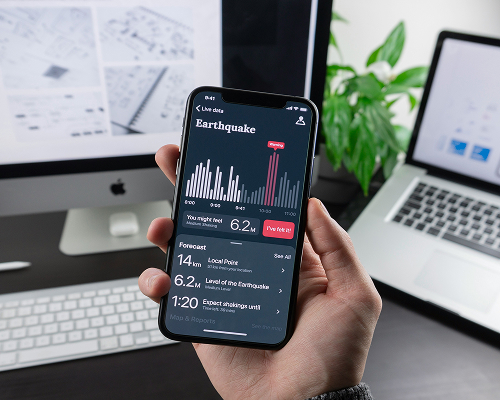
Selected Flutter projects from our portfolio.
Privacy-first menstrual health app linking daily habits to cycle outcomes.
View Project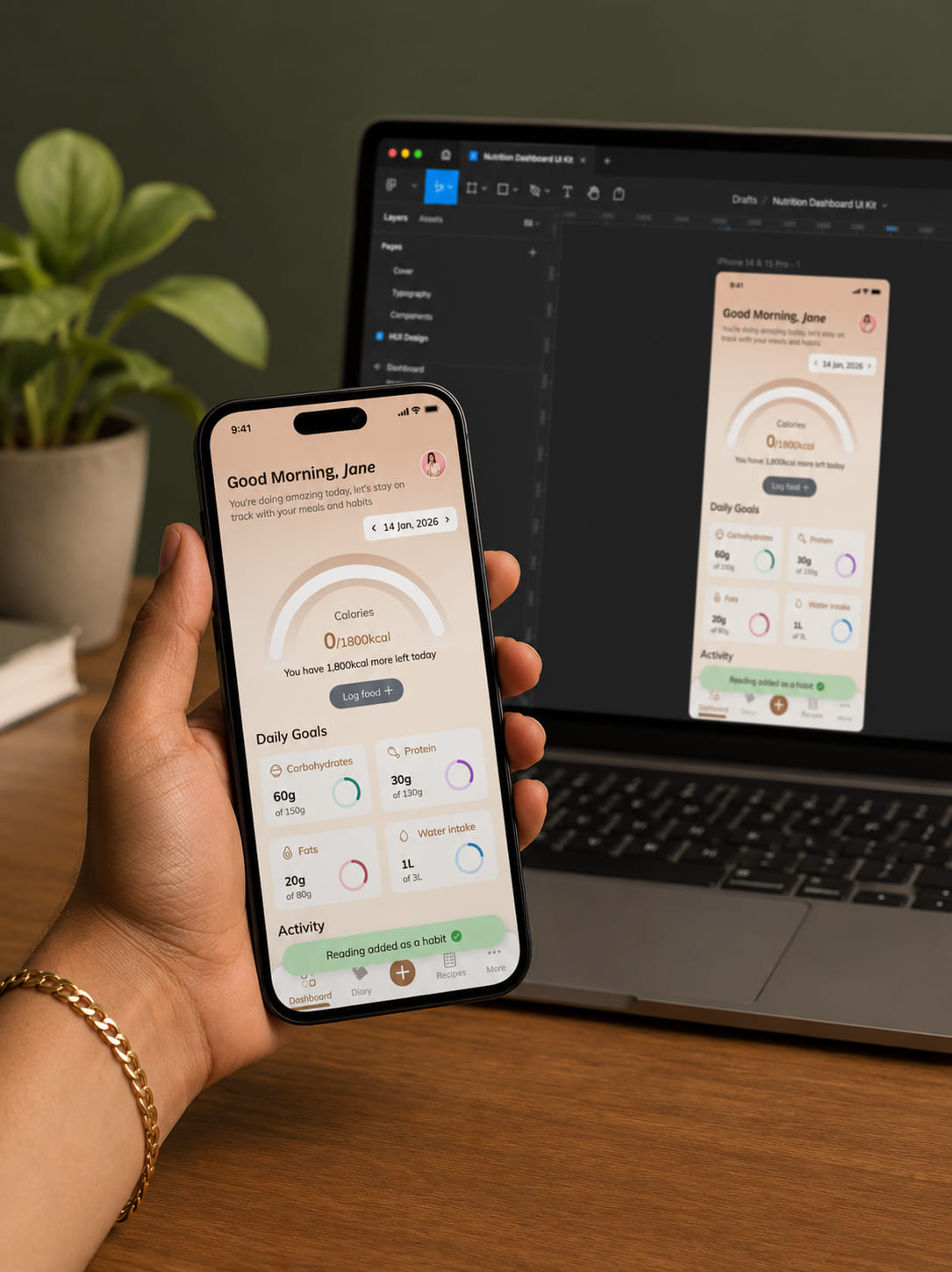
Built a scalable meal-planning SaaS with payments and user migration.
View ProjectWe rescue stalled Flutter builds and clean up performance debt.
Janky scrolls and dropped frames
Bad rebuild patterns and rendering on the wrong thread cause UI freezes during scroll-heavy lists and image grids.
Tangled state management
Untraceable bugs from state passed through fifteen widget layers, with no clear source of truth.
Bloated APK and IPA sizes
Apps shipping at 150MB+ because assets are not lazy loaded and unused packages are not tree-shaken.
Profiled rebuild graph, const where it matters
We open DevTools, find the widgets rebuilding too often, and fix the cause. Const constructors and Selector or Consumer scopes do the rest.
Riverpod or BLoC with clean boundaries
Business logic out of widgets, dependency injection through Provider Scopes or Modules, and tests that do not need a full widget tree.
Asset pruning and split ABIs
Lazy-loaded assets, font subsetting, split APKs by ABI, and an audited dependency tree. Sub-25MB downloads are normal.
Battle-tested tools for production Flutter projects.

Flutter

Dart

Firebase
BLoC

Crashlytics
Fastlane

Dio

GetX
We are a focused Flutter team that takes apps from architecture decisions through App Store release. We have opinions on state management, on the package ecosystem, and on which fights to pick with the platform.
5+
Flutter apps shipped
2022
Building Flutter since
4.9
Clutch rating
Dart and Flutter is what we do. No context switching across ten frameworks.
Builds tested on physical low-end Android, mid-range Android, current iPhone, and ProMotion devices before release.
Tagged commits build, sign, and ship to TestFlight and Internal Testing without manual upload.
Sentry or Crashlytics wired in. We watch crash rates and ANRs after release, not just at sign-off.
One Dart project ships to every platform your users are on.
Common questions about Flutter projects.
Ready to build your Flutter product?
Yes, when it is built right. Flutter renders its own widgets to ARM-compiled native code via Skia or Impeller, which means animations, scrolls, and transitions run on the GPU like a native app does. The places where users notice cross-platform tax are usually keyboard handling, system sheets, and platform-specific gestures. We map those to Cupertino on iOS and Material on Android so the app feels at home on both.
Let us map the architecture and give you a real timeline.