


Penningmeester
Personal finance manager tracking spending and forecasting budgets automatically.
View ProjectEvent-driven Node.js backends that hold up under real concurrent load. We build, deploy, and run real-time APIs and scalable microservices for teams who can't afford downtime.

Node.js runs in production at







Why product teams pick Node for their most concurrent infrastructure.
17
yrs
Production ready / Node.js shipped in 2009 and has run critical backends at Netflix, LinkedIn, and PayPal for over a decade.
2M+
npm packages
npm packages / The largest package registry in any language. A library exists for almost anything you'd need.
~110K
GitHub stars
GitHub stars / The nodejs/node repository is actively maintained under the OpenJS Foundation.
5
yrs
reverseBits on Node / Shipping event-driven backends for US, UK, and EU teams since 2021.
Node.js wins when you need high concurrency, real-time data, or a shared language across frontend and backend. It's a weaker fit for CPU-bound number crunching or heavy ML pipelines.
Chat, live dashboards, collaborative editors, multiplayer. Node's event loop and WebSocket support hold thousands of open connections on a single process.
Non-blocking I/O lets Node sit in front of several services, fan out requests, and return a composed response without tying up threads.
One language and one type system across React/Next.js on the front and Node on the back. Reuse validators, share contracts, cut context switching.
We ship backends that survive real production traffic.
Services built around Node's async model. They handle spikes instead of queuing up, so your 99th percentile doesn't slide on busy days.
Breaking monoliths into focused Express or NestJS services. Containerised with Docker, orchestrated on ECS or Kubernetes, sized for your actual traffic.
Socket.io paired with Redis pub/sub. You scale horizontally without losing connection state, whether the workload is chat, telemetry, or a live order book.
PostgreSQL with Prisma for relational data. MongoDB for document stores. Redis in front for read-heavy paths. Slow queries caught in staging, not at 2am.
GitHub Actions pipelines that run type checks, tests, and dependency audits before every deploy. Rolling releases into AWS with automatic rollback on health-check failure.
JWT rotation, per-route rate limits, OWASP Top 10 mitigation, and OpenTelemetry traces flowing to Datadog or New Relic. If something fails, you'll know where.
An honest look at how Node stacks up against other serious backend options.
Very high (event loop)
High (asyncio)
Medium (thread pool)
Low (blocking)
Same JS/TS front to back
Backend only
Backend only
Backend only
Fast, unopinionated
Fast, type-first
Heavy config
Fast, opinionated
Worker threads needed
Strong (NumPy, scikit)
JVM is solid
Moderate
Representative project patterns and outcomes.
Personal finance manager tracking spending and forecasting budgets automatically.
View Project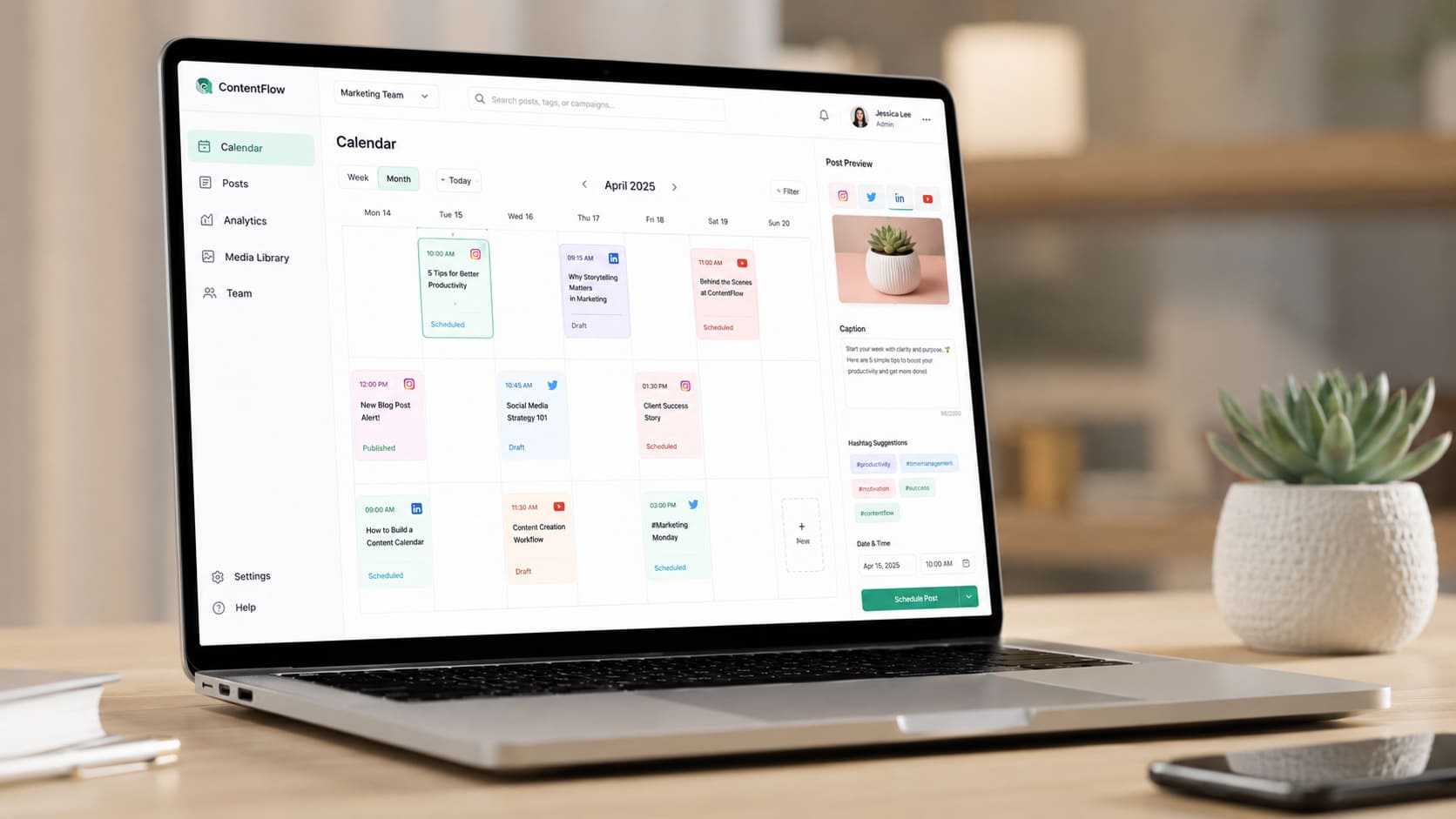
Content planning and scheduling tool for multi-channel editorial workflows.
View Project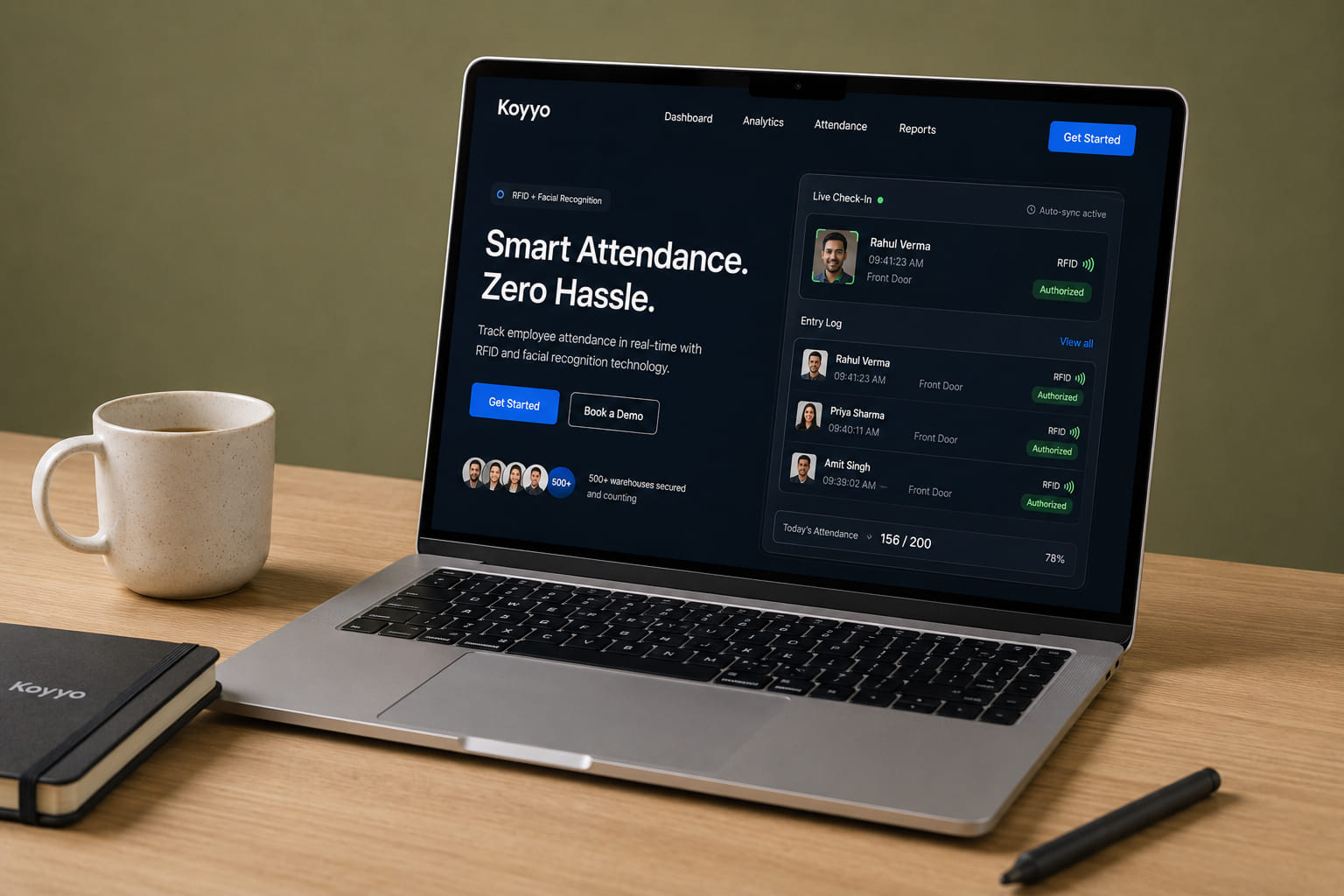
Dynamic QR platform with configurable auto-refresh and real-time delivery.
View ProjectCommon Node.js problems and how we solve them.
Callback hell and tangled control flow
Nested callbacks hiding errors, slowing down every new feature, making tests a chore.
Memory leaks and out-of-memory crashes
Retained closures, unbounded caches, unreleased stream buffers. Eventually the process kills itself and restarts.
A blocked event loop
CPU-heavy work sitting on the main thread: large JSON parsing, synchronous crypto, image manipulation. Every other request stalls behind it.
TypeScript with async/await
Callback-era code rewritten into typed, promise-based flows. Errors become catchable and the next engineer can read the file without a map.
V8 profiling and heap analysis
Attach the inspector, capture snapshots, find retainer paths, fix the leak. Then add guardrails so it doesn't come back.
Worker threads and job queues
Heavy work moves off the HTTP loop into worker threads or a BullMQ queue on Redis. The main loop stays responsive.
Tools we use on Node.js engagements.

Node.js

TypeScript

Express

NestJS

Redis

PostgreSQL
Docker

AWS
We know JavaScript, but more importantly we know how the V8 engine behaves under load, where backpressure shows up in streams, and how event-driven code hides its bugs.
5+
Years on Node stack
4.9
Clutch rating
24/7
Production support
Engineers who've worked through Node's stream rewrites, the Promise landing, and worker_threads going stable. Not generalists borrowed from the frontend.
Artillery and k6 scripts that simulate real traffic shapes. You'll know what your p95 looks like before your users do.
Rolling deploys with health checks and automatic rollback. Production doesn't skip a heartbeat when you ship.
OpenTelemetry traces, Datadog or New Relic dashboards, and alerts routed to your on-call, not ours.
Node gives you concurrent throughput without the operational tax.
Common questions about Node.js projects.
Ready to build your Node.js product?
Express when you want a minimum surface area and will bring your own structure. NestJS when you want decorators, dependency injection, and a convention-first layout that holds up across a team. A small API owned by one or two engineers usually does fine on Express. A ten-engineer team building twenty modules will get its value back out of NestJS fast.
We'll map the architecture, give you a realistic timeline, and then engineer it.