

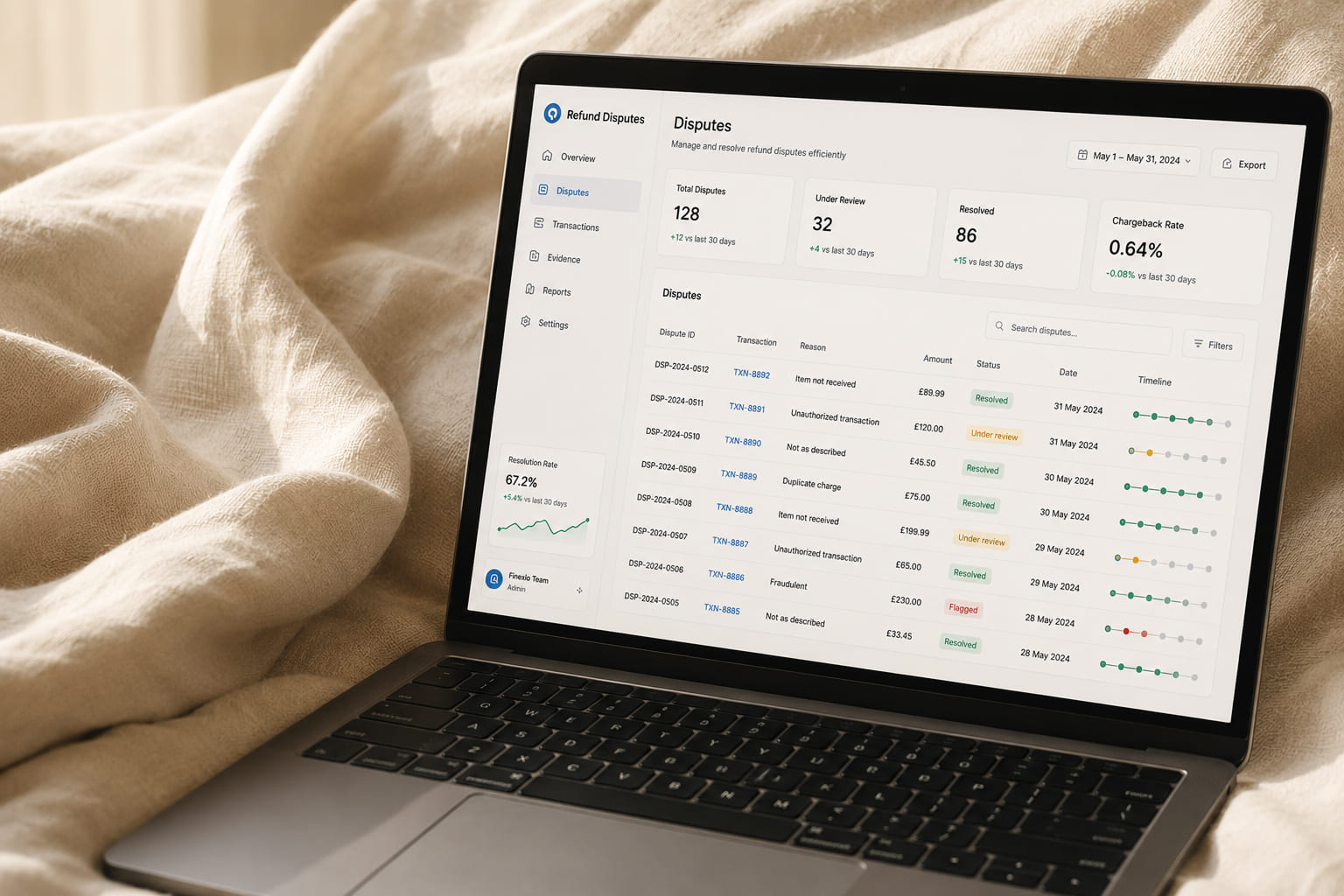
Veriscreen
UK chargeback system flagging errors and automating dispute workflows.
View ProjectWe build component-driven React frontends with TypeScript, React Query, and state management that does not leak between screens. Production interfaces, not demo screens.

REACT POWERS PRODUCTION AT







Why React stays the default choice for component-driven web frontends.
230k+
GitHub Stars — The most-starred frontend project on GitHub since 2018.
30M+
Weekly Downloads — The npm package that powers most modern web frontends.
13
Years In Production — Released by Meta in 2013 and still the default for component-driven UIs.
80%
Developer Usage — Most-used frontend framework in the State of JS survey for five years running.
React fits some products and is overkill for others. Here is when we recommend it, and when we point you at something else.
Dashboards, CRMs, and product apps where users live in one screen for hours. Client-side routing, instant view changes, and a state model that keeps up.
Tables that filter, charts that update, and forms with deep state. Redux Toolkit, Zustand, or React Query depending on what the data actually looks like.
Shared business logic and types ready to lift into React Native if a mobile app is on the roadmap. We design for the share boundary from day one.
We engineer frontend codebases teams can maintain a year later, not throwaway prototypes.
An atomic design system with shared primitives, composed patterns, and feature components. Junior engineers ship a feature without rewriting the button.
Redux Toolkit for global client state, Zustand for local state, React Query for server state. We pick the right tool for the data shape, not one tool for everything.
Strict mode, typed props, typed API contracts, typed Redux slices. The bugs that make it to staging are the ones tests catch, not the ones the type system misses.
Background refetching, cache invalidation, optimistic updates, and retry logic. Your UI stays in sync with the API without a glue layer of useEffect calls.
Code splitting, lazy routes, suspense boundaries, and React Profiler audits. Lighthouse scores above 90 on the pages your users actually visit.
Jest and React Testing Library on every PR, Playwright for the critical flows. Tests that fail when the UI breaks, not when an implementation detail changes.
How React compares to its main competitors. Honest assessments, no cheerleading.
Largest npm footprint
Large
Enterprise focused
Smaller, growing
Meta
Independent core team
Independent (Vercel hires)
Pick your own stack
Convention with options
Strictly opinionated
Convention-driven
Hooks and JSX take a week
HTML-first templates
RxJS plus DI plus TS
Minimal API surface
Representative project patterns and outcomes.
UK chargeback system flagging errors and automating dispute workflows.
View Project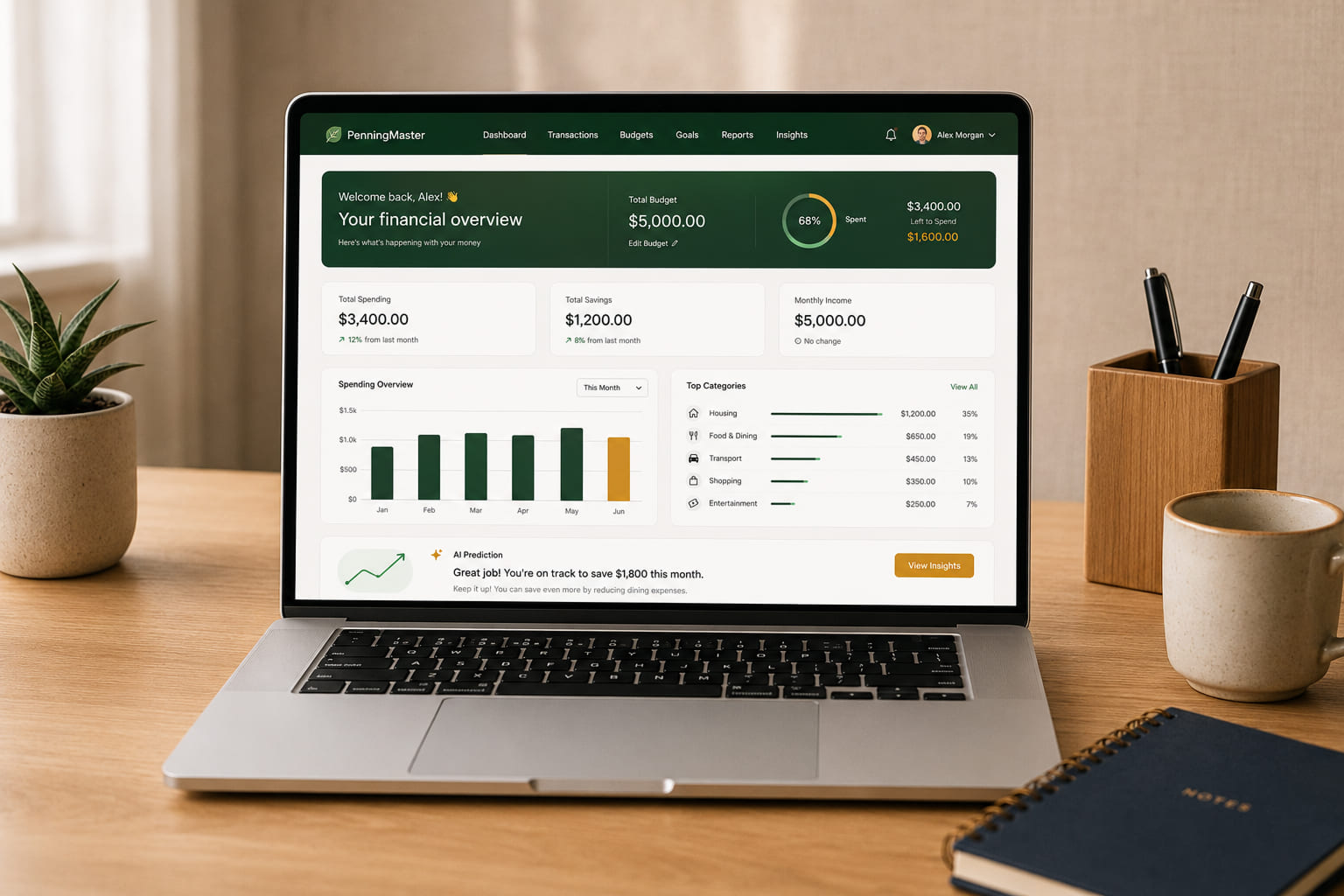
Personal finance manager tracking spending and forecasting budgets automatically.
View Project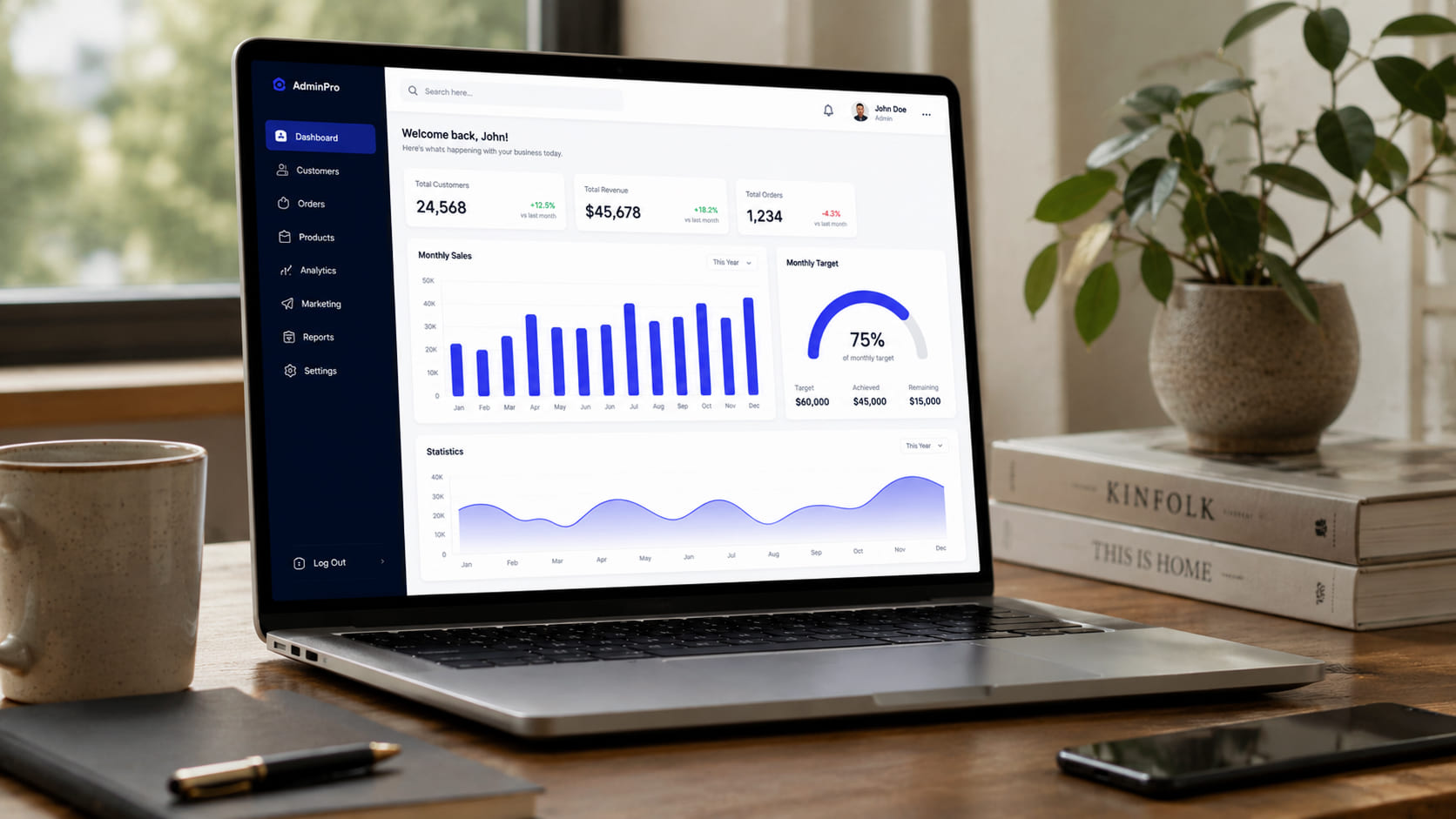
Marketplace for browsing, commissioning, and tracking custom furniture orders.
View Project
AI career platform combining agents, learning challenges, and career tools.
View Project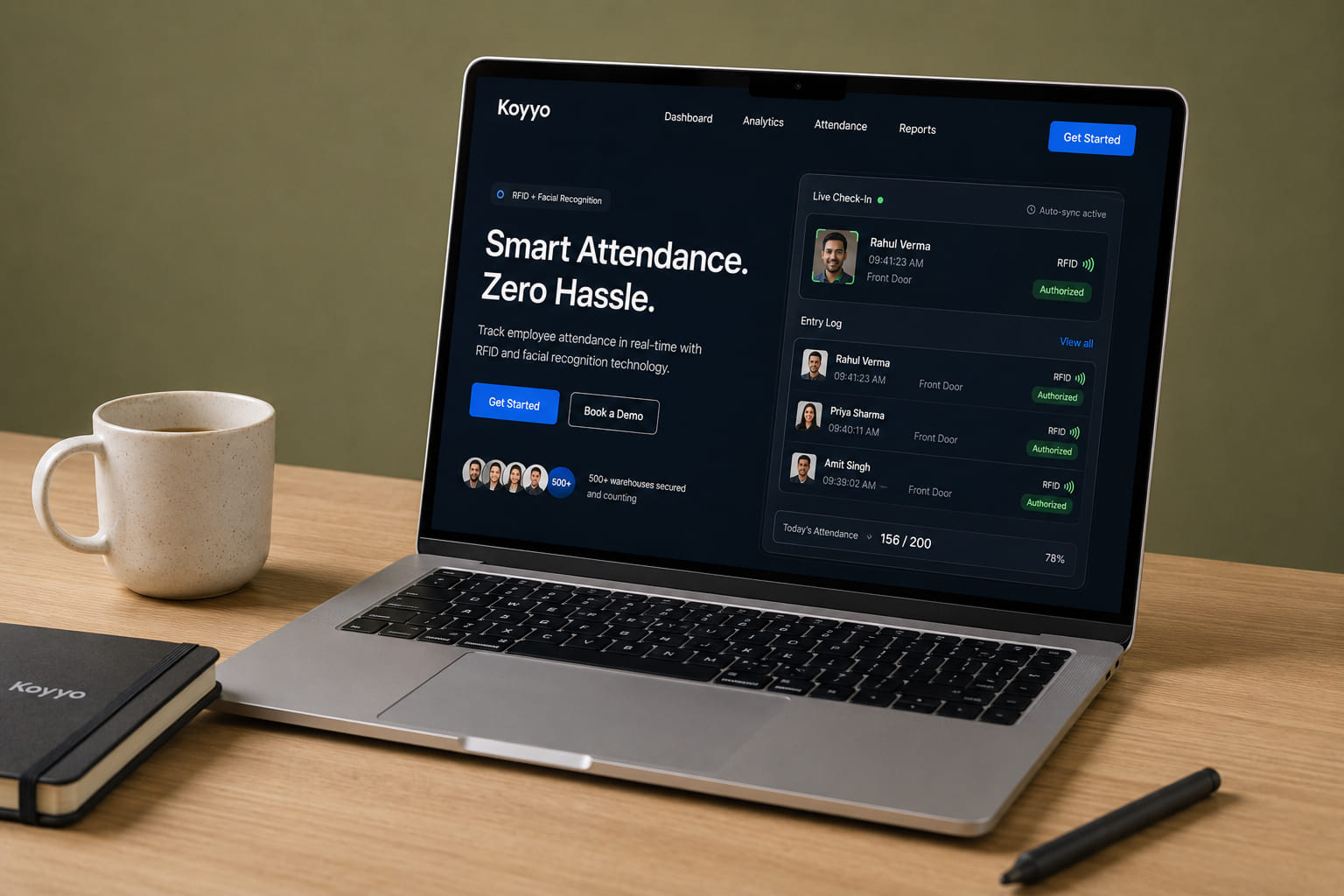
Dynamic QR platform with configurable auto-refresh and real-time delivery.
View ProjectCommon React problems and how we solve them.
Prop drilling and unmaintainable code
Props passed through ten components to reach the one that needs them. Every refactor breaks three screens.
Re-render storms
A single state change re-renders half the page. The interface stutters on mid-range laptops.
Global state used as a junk drawer
API responses, form values, and UI flags all in Redux. Every dispatch ships a 200-line reducer change.
Co-located state with Zustand or context
State lives where it is read. No global stores for things that belong to one screen.
Memoization where it actually matters
React Profiler points at the slow renders. useMemo and useCallback go on the components that re-render too often, not everywhere.
Server state separated from client state
React Query handles caching, refetching, and invalidation for API data. Redux or Zustand handles the small amount of state the UI actually owns.
Tools we use on React engagements.

React

TypeScript

GraphQL

Tailwind

Vite

Jest

Cypress

Framer Motion
We ship frontends that survive a year of feature work without rewrite tickets. Every component is typed, every render is intentional, and every PR ships with tests that run in CI.
10+
Years of frontend work at reverseBits
$6M+
Saved across client engagements
4.9
Clutch rating across reviews
Engineers whose day job is React, hooks, and the rendering model. Not a backend engineer borrowing a sprint.
We work from design tokens, not screenshots. Spacing, typography, and components match the design system on every screen.
Strict mode, typed API contracts, typed forms. Compile-time safety catches the bug class that ships to production.
Semantic HTML, ARIA where it belongs, keyboard navigation, WCAG checks in CI. Screen readers work because the markup is right.
Get a codebase your team can maintain a year later.
Common questions about React projects.
Ready to build your React product?
Yes. React is a frontend library and does not care what serves the API. We have shipped React on top of Django, FastAPI, NestJS, and Express backends. We use React Query or RTK Query to handle the API contract, and TypeScript types match the backend schema so a contract change shows up at compile time, not in production.
Tell us the product, the data, and the screens. We will scope a React build that ships with tests, types, and a frontend your team can maintain.