

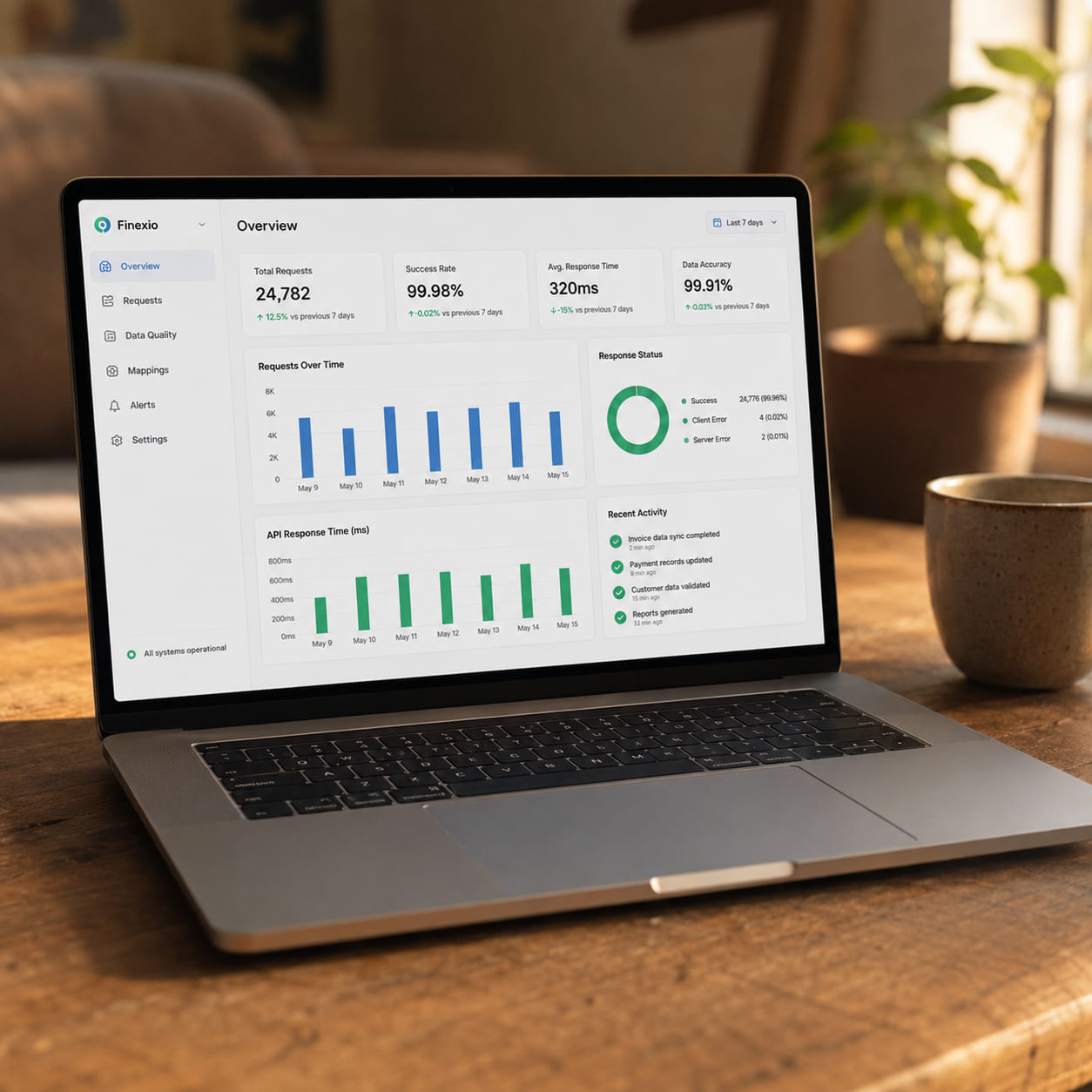
Paydash
Improved analytics accuracy across millions of daily synced transactions.
View ProjectWe build production Python backends. AI features, data pipelines, and APIs that have to hold up under real load. Type-checked code, async where it pays.

Python powers production at






Why Python is the foundation of modern AI and data work.
#1
TIOBE Index
Python has held the top spot on the TIOBE Index throughout 2026, ahead of C, C++, and Java.
23M+
Python developers
SlashData's 2025 global survey puts Python's developer community at roughly 23 million.
75%
AI & ML workloads
Three out of four developers building AI and ML systems use Python as their primary language.
800K+
Packages on PyPI
PyPI hosts over 800,000 libraries. Most of the integrations you need already exist.
Python wins for AI-heavy products and data-driven backends. It struggles with hard real-time or CPU-bound work without careful design. Below are the cases where it pays off.
PyTorch, scikit-learn, LangChain, Hugging Face. The serious ML libraries are written for Python first, often Python only. If your product needs vision, NLP, or scoring models, building in Python skips weeks of glue code.
Modern Python (FastAPI, async SQLAlchemy, Uvicorn) handles concurrent I/O cleanly. We've shipped APIs that hold thousands of requests per second on a single application server.
Celery for queues, pandas and Polars for transformation, Airflow or Prefect for orchestration. Python is the default language of the data stack, which makes hiring and integration easier downstream.
We build enterprise Python systems, not throwaway scripts. Every project leaves with the same engineering standards.
REST and GraphQL services on FastAPI or Django REST Framework. Pydantic validation at the edges, structured logging, and OpenAPI docs you can hand to frontend or partner teams without translation.
We wrap PyTorch, scikit-learn, and Hugging Face models behind versioned endpoints with batching, GPU pooling, and graceful fallbacks. Latency and cost stay predictable as traffic scales.
Async workers on Celery and Redis or RabbitMQ. ETL jobs that retry, backfill, and report. Heavy work moves off the request path so the API stays responsive.
ORM-only data access, JWT or session auth, secrets in vaults (not env files), and request-level audit logs. Work we ship has cleared SOC 2 reviews and HIPAA-aware deployments.
Multi-stage Docker builds, Kubernetes or ECS deployment, and GitHub Actions CI with type checks, security scans, and tests gating every merge.
Old Django and Flask monoliths broken into bounded contexts and services. We do strangler-fig migrations behind feature flags, so the legacy app keeps serving traffic while the new one comes online.
Where Python is the right call, and where another language fits better.
Dominant (PyTorch, pandas)
Limited
Solid (DJL, Spring AI)
Limited
Fast
Fast
Slower, verbose
Fastest
Wide
Wide
Strongest
Smaller pool
Easy, readable
Async takes practice
Steep curve
Easy
Selected work from our Python portfolio.
Improved analytics accuracy across millions of daily synced transactions.
View Project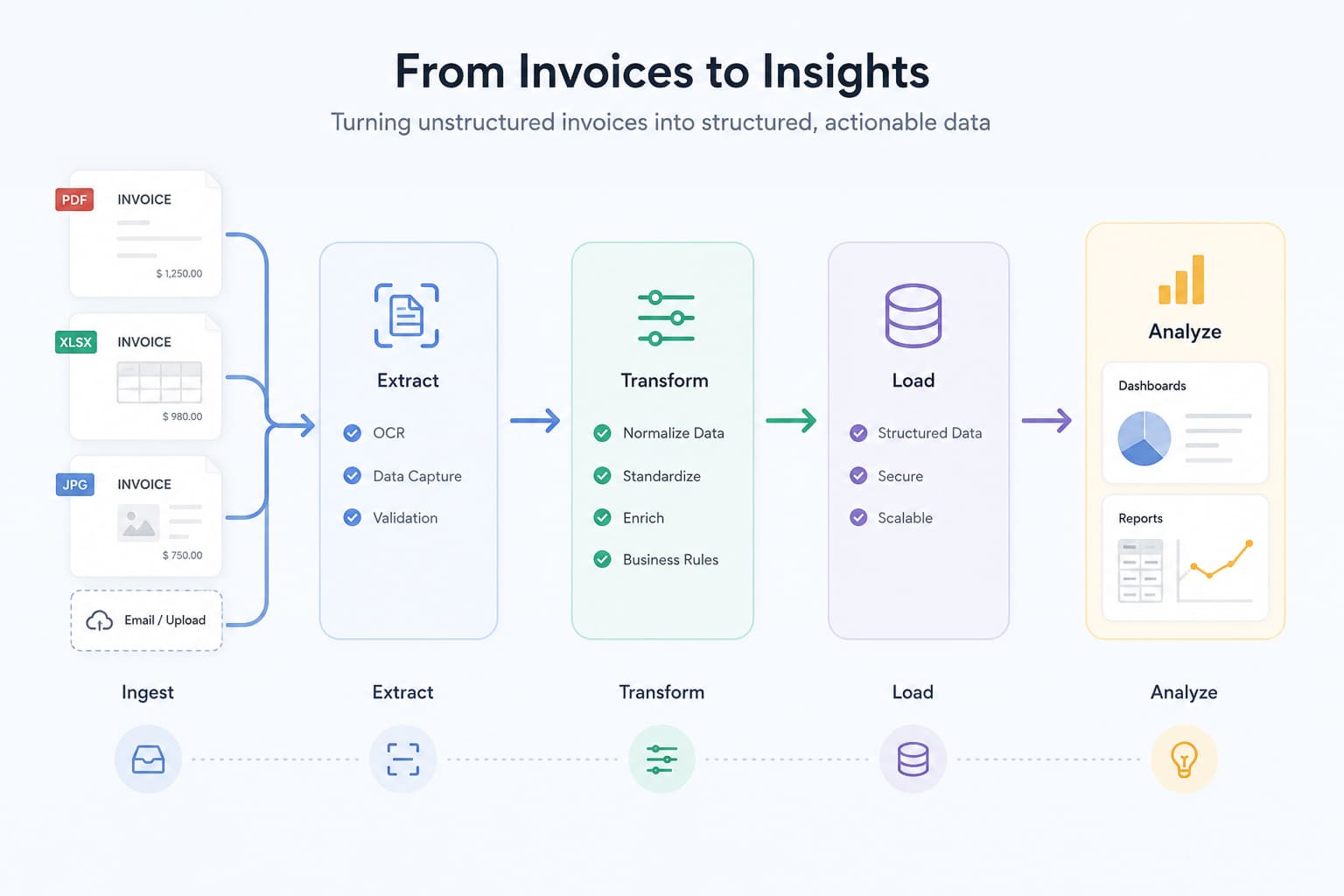
Invoice ETL pipeline built as a streamlined alternative to Doctrails.
View Project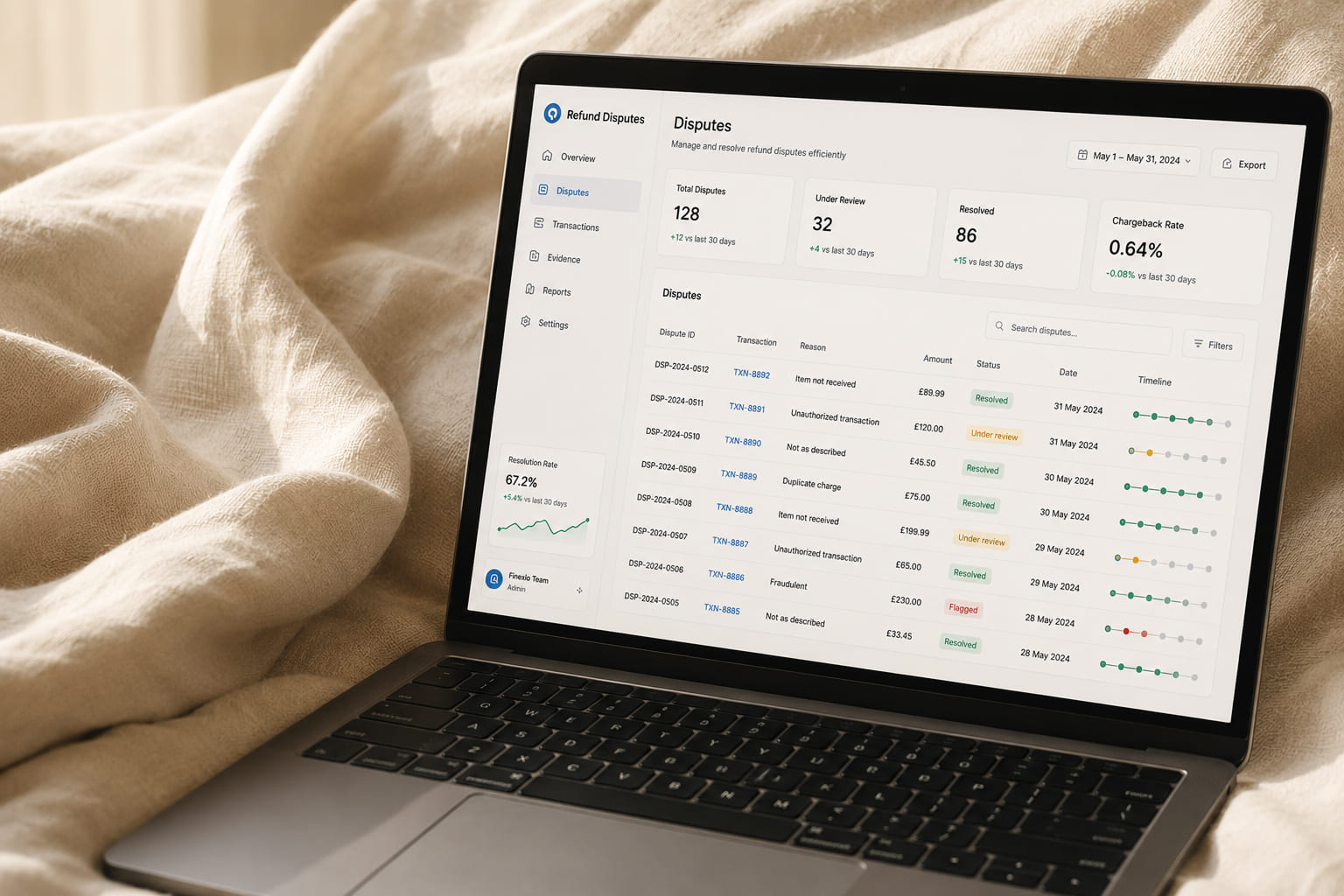
UK chargeback system flagging errors and automating dispute workflows.
View Project
Personal finance manager tracking spending and forecasting budgets automatically.
View Project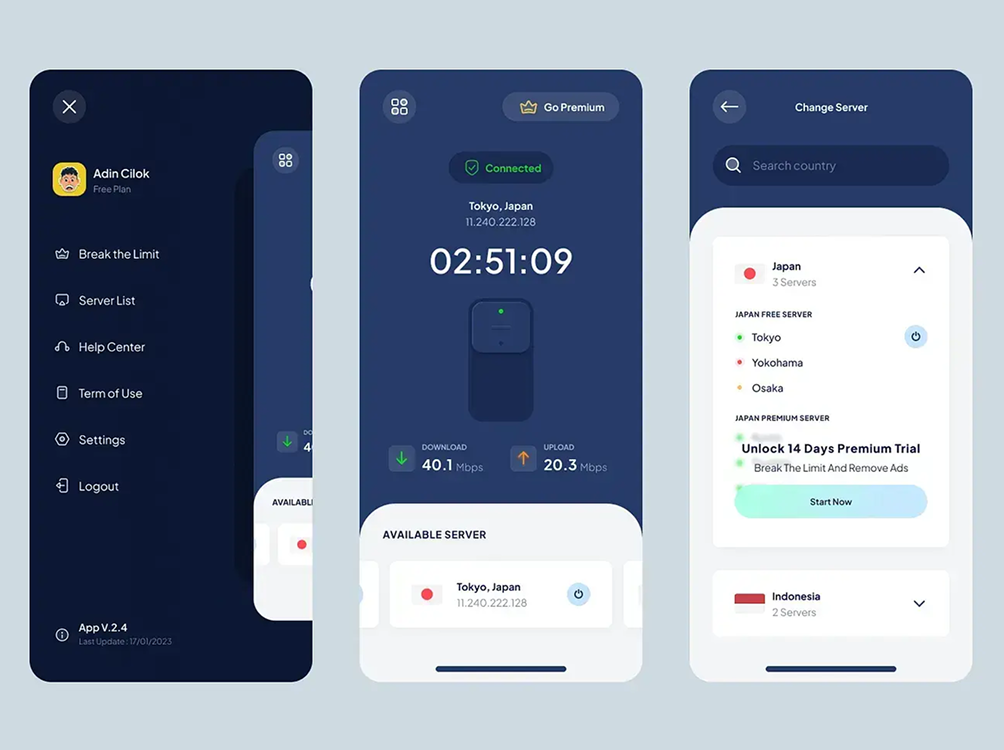
Faster, affordable and stable proxies.
View Project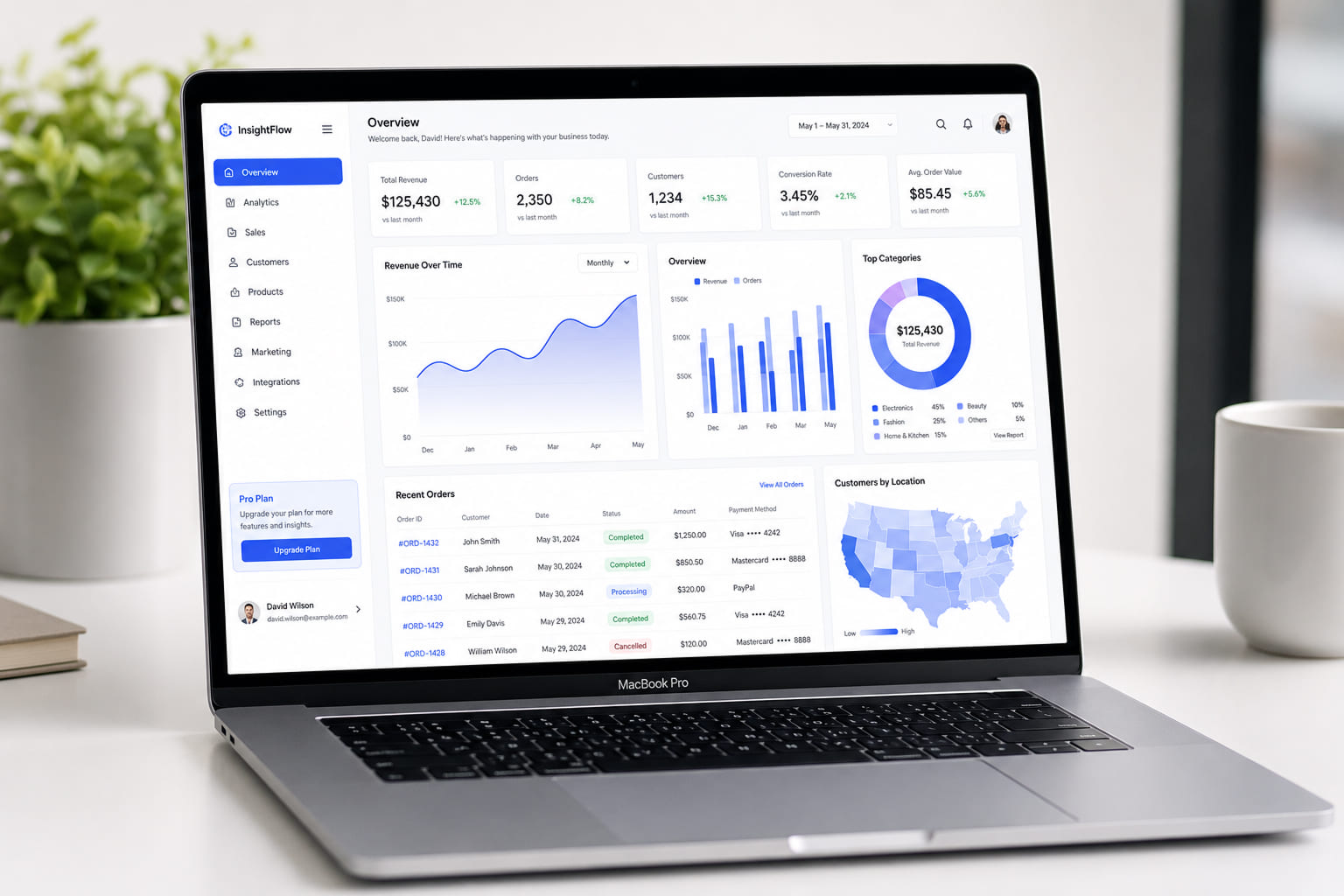
Flask-to-Django migration with authentication, admin panel, and initial PRD.
View ProjectWe're usually called in when a Python codebase has stopped scaling cleanly.
Slow Execution Speed
Synchronous request handlers blocking on I/O, and CPU-bound loops running inside web workers where they don't belong.
Dependency Drift
Pinned-but-not-locked requirements files. CI passes, then production breaks a week later because a transitive dependency shipped a change.
Tangled Django and Flask Code
Fat models and fat views that own database access, business rules, and HTTP concerns at once. Every change risks four other things.
Async I/O Where It Pays
asyncio, FastAPI, and Uvicorn for I/O-bound paths. CPU-heavy work moves to Celery workers backed by Redis. The hot path stops blocking.
Lockfiles and Reproducible Builds
uv or Poetry for resolution, pinned lockfiles in version control, and the same image promoted from CI to production.
Service Layer Separation
Business logic moves into Python services with clear inputs and outputs. Models become persistence concerns. Tests stop needing a database.
Tools we work with daily on Python projects.

Django

FastAPI

Flask

Redis
Docker

PostgreSQL

Pydantic
Nginx
We don't ship Python scripts. We ship type-checked services that run in production for years.
10+
Python projects shipped
10
yrs custom software experience
4.9
Clutch rating
Every project has at least one senior Python engineer with production experience under load. No junior-led builds.
We've moved models from notebook to production with batching, monitoring, and rollback. Not every Python team has done that part.
Pydantic at the API edges, mypy or Pyright in CI. Refactors stop being scary; reviews stop catching avoidable bugs.
Parameterized queries, CSRF on Django sessions, rate limits, and dependency scanning in CI. The basics, done every time.
Build your next backend in Python with engineers who've done it before.
Specific technical questions before committing to Python? Quick answers below.
Ready to build your Python product?
Django if you need an admin panel, built-in auth, or a content-shaped product. FastAPI if you're building an API for a separate frontend or mobile app, or anything that benefits from async I/O. We pick per project; sometimes both run in the same system.
Specific technical questions before committing to Python? Quick answers below.