


Mobile apps built with the JavaScript you already know.
We build iOS and Android apps from a single React Native codebase. One team, one release schedule, and the same feel as a native build. We use the New Architecture and Expo to ship release-grade mobile products.
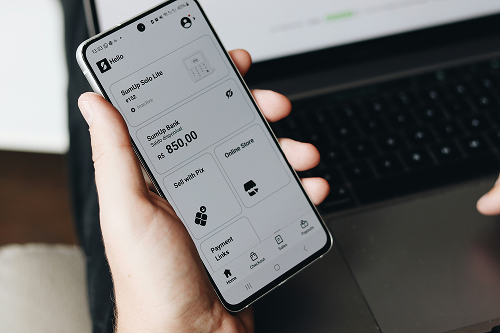
React Native running in production at






4M+
Weekly npm installs
2015
Open-sourced by Meta
86%
Code share at Shopify
Fabric
New default architecture
Fit check
Is React Native right for your app?
Here is when we recommend React Native, and when we recommend a different path.
React Native is a strong fit if
GOOD FIT•
You need iOS and Android on the same release timeline with a single team.
•
Your web stack is already React or TypeScript and you want real code sharing with mobile.
•
The app is UI-heavy, data-heavy, or content-heavy rather than real-time 3D or AR.
Consider alternatives if
CHECK FIRST•
You're shipping a high-end game, real-time AR, or console-grade 3D.
•
You depend on brand-new iOS or Android APIs before the RN community catches up.
•
You're iOS-only or Android-only and want zero framework overhead.
Outcomes
What React Native delivers
Production capabilities we build into React Native projects.
One codebase, two platforms
Ship to App Store and Play Store on the same schedule from one repo, one CI pipeline, and one roadmap.
Native UI, not a web wrapper
Fabric renders real UIKit and Android View components; under the New Architecture, UI calls run synchronously with the native layer.
Over-the-air updates
Push JavaScript-level fixes without a full App Store release via Expo EAS Updates or self-hosted CodePush.
Native-module ecosystem that actually ships
Reanimated, Gesture Handler, FlashList, Vision Camera, MMKV — active maintainers, New Architecture support.
Fast Refresh on real devices
Save a file and see the change on a physical iPhone or Pixel in under a second. The feedback loop is closer to web development than to native, and it compounds across thousands of small iterations.
One mobile team, two platforms
A React Native team roughly the size of a single native team can cover iOS and Android. You stop choosing which platform ships first and stop running parallel backlogs.
Comparison table
A practical comparison based on product fit, delivery speed, and long-term ownership.
Development speed
React Native
Very fast (one codebase)
Flutter
Very fast
Native iOS/Android
Slow (two codebases)
Standard PWA
Fastest (web)
Performance
React Native
Good (Fabric + Hermes)
Flutter
Excellent (Skia)
Native iOS/Android
Best (direct platform APIs)
Standard PWA
Limited (browser)
Talent pool
React Native
Very large (React devs)
Flutter
Growing (Dart)
Native iOS/Android
Split (Swift + Kotlin)
Standard PWA
Very large
Code reuse
React Native
85-95%
Flutter
95-98%
Native iOS/Android
0%
Standard PWA
100%
Specialists
React Native experts, not React Native beginners.
We build React Native products with production ownership in mind.
01
Native stack navigation
We ship React Navigation with native stack and bottom tabs, wired to deep links and universal links. Screen transitions, back gestures, and modal behaviour match iOS and Android conventions out of the box.
02
Predictable state at scale
Redux Toolkit, Zustand, or React Query, chosen per project. We draw the line between server state and client state early so the store stays readable when the app hits a hundred screens.
03
Swift and Kotlin bridges
When a JS library doesn't exist or performance matters, we write TurboModules in Swift and Kotlin. That gives you first-party access to platform capabilities without waiting for a community package.
04
Expo or bare, chosen well
Expo SDK 52 and later covers most use cases with EAS Build and EAS Updates. We recommend bare CLI only when you're maintaining significant native code. Prebuild gets you most of the way without a hard eject.
05
60fps under pressure
Hermes, Reanimated 3 on the UI thread, FlashList v2 for long lists, memoisation where it counts. We profile with React Native DevTools and lock the frame budget on real devices before shipping.
06
Both app stores, first try
Apple review, Play Store policies, privacy manifests, signing, TestFlight, and staged rollouts. We handle the submission paperwork and the rejection appeals so your release date doesn't slip.
React Native stack we ship on
Libraries and tools we use across most React Native builds.

React Native

TypeScript

Expo

Redux Toolkit

React Navigation

Firebase

Fastlane

Sentry
React Native projects we have shipped
Production apps running today.
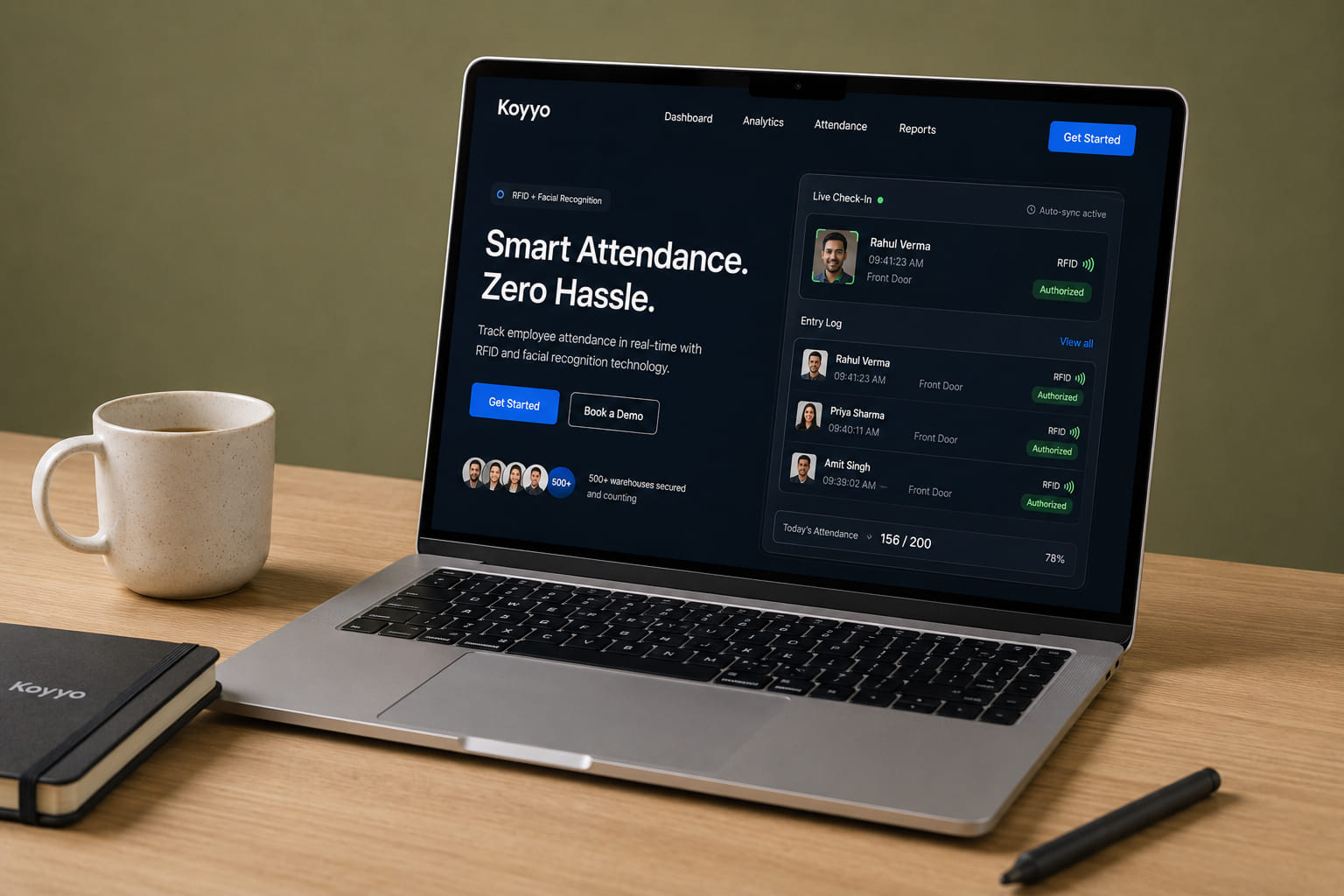

Problem / Solution
Problems we solve in React Native builds
We clean up codebases written by teams who treated mobile like a web browser with a camera attached.
Treat React Native like React Web. State updates block the JS thread and FPS drops the moment real data shows up.
Profile on a real device with Hermes, Reanimated 3, and FlashList v2. Memoise hot components. Lock 60fps in scroll and transitions.
Pin unmaintained npm packages that break on every iOS or Android release, and the build goes red for days each quarter.
Write Swift and Kotlin TurboModules when no reliable JS library exists. Own the native surface so the next SDK bump isn't a crisis.
Ship web-like routing: no native gestures, no proper back stack, no state restoration after the app is killed in memory.
Use React Navigation 7 with native stack so gestures, transitions, and back behaviour feel the same as a native app.
React Native FAQ
Common questions about React Native projects.
Start with Expo unless you already know you need custom native code on day one. Expo SDK 52 and later supports the New Architecture, EAS Build, and EAS Updates. Prebuild lets you drop into iOS and Android projects without a hard eject. Go bare CLI only when the app is essentially a wrapper around significant Swift or Kotlin that you maintain yourself.
Planning a React Native build?
We'll walk your architecture, weigh Expo against bare CLI, and map a realistic release timeline. No boilerplate deck.